

Blog

How Compressed Air System Efficiency Affects Factory Energy Cost and Productivity
Summary
In many manufacturing plants, compressed air is often called the fourth utility, after electricity, water and gas. It powers machines, automation systems, pneumatic tools and lubrication equipment across the factory floor. However, compressed air is also one of the most energy-intensive utilities in industrial operations.
When a compressed air system is inefficient, factories end up paying significantly higher energy costs while machines perform below their optimal capacity. Problems such as air leaks, poor compressor efficiency, incorrect pressure settings and outdated equipment can waste large amounts of electricity every day.
Understanding how compressed air system efficiency affects operational cost and productivity helps plant managers make smarter decisions about equipment selection, maintenance and energy management.
Table of Contents
- Why Compressed Air Systems Are Critical in Manufacturing
- Industrial Lubricants and Their Role in Compressor Performance
- Cutting Tools and Pneumatic Equipment in Production Lines
- Abrasives and Compressed Air in Surface Finishing
- Lubrication Equipment Powered by Compressed Air
- Energy Efficiency in Industrial Air Compressors
- Common Causes of Energy Loss in Compressed Air Systems
- Improving Compressed Air Efficiency in Factories
- Product Solutions for Compressed Air Systems
- Final Thoughts
- FAQs
1. Why Compressed Air Systems Are Critical in Manufacturing
Compressed air is used across almost every industrial sector including automotive manufacturing, fabrication workshops and heavy machinery production.
It powers equipment such as:
- Pneumatic tools
- Automation cylinders
- Assembly tools
- Spray painting systems
- Industrial lubrication equipment
Because compressed air supports multiple processes, system efficiency directly affects overall plant productivity.
Even small inefficiencies can increase energy consumption and reduce equipment reliability.
2. Industrial Lubricants and Their Role in Compressor Performance
Just like other machines, air compressors rely on industrial lubricants to reduce friction and protect internal components.
High-quality compressor lubricants help:
- Reduce mechanical wear
- Maintain operating temperature
- Improve compressor lifespan
- Prevent oxidation and sludge formation
Reliable lubrication solutions such as Mobil Industrial Lubricants are commonly used to protect compressor components in demanding industrial environments.
Proper lubrication ensures compressors operate efficiently and consistently.
3. Cutting Tools and Pneumatic Equipment in Production Lines
Many manufacturing plants use pneumatic tools for machining and assembly operations. These tools often operate alongside carbide cutting tools in production lines.
Compressed air powered equipment offers benefits such as:
- High power-to-weight ratio
- Continuous operation capability
- Reduced electrical hazards
High-performance CNC cutting tools from brands like Sandvik cutting tools and EAZYCUT carbide tools are frequently used in combination with pneumatic machining equipment.
Efficient compressed air delivery ensures these tools operate with consistent performance.
4. Abrasives and Compressed Air in Surface Finishing
Compressed air is widely used in finishing operations such as grinding, polishing and surface preparation.
Industrial abrasives work effectively when combined with pneumatic tools, allowing operators to perform precision finishing tasks.
Benefits include:
- Smooth surface finishing
- Faster material removal
- Improved component appearance
Solutions such as 3M abrasive products are widely used in fabrication workshops and manufacturing plants where finishing quality is important.
5. Lubrication Equipment Powered by Compressed Air
Compressed air systems also support industrial lubricationequipment used in maintenance operations.
Common examples include:
- Pneumatic grease pumps
- Oil dispensing systems
- Grease guns for machinery maintenance
Equipment like grease pumps andgrease gun couplers help maintenance teams deliver lubrication accurately and efficiently.
A stable compressed air system ensures these lubrication tools work reliably without pressure fluctuations.
6. Energy Efficiency in Industrial Air Compressors
The compressor itself plays the most important role in system efficiency. Modern industrial air compressors are designed to reduce energy consumption while maintaining consistent airflow.
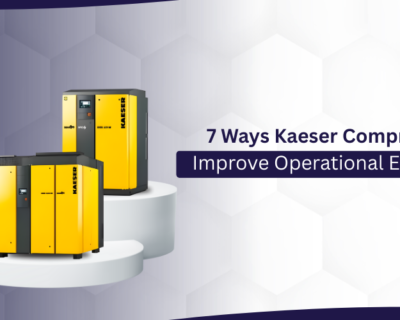
For example, Kaeser air compressors are known for their efficient rotary screw technology and optimized air management systems.
Energy-efficient compressors offer:
- Lower power consumption
- Reduced operating cost
- Improved airflow stability
- Longer equipment lifespan
Upgrading to efficient compressor systems can significantly reduce factory energy bills.
7. Common Causes of Energy Loss in Compressed Air Systems
Many factories unknowingly lose energy through inefficient compressed air systems.
Common causes include:
- Air leaks in pipelines
- Incorrect pressure settings
- Poor maintenance of compressors
- Outdated equipment
- Excessive system demand
These issues increase compressor workload and energy consumption. Regular system audits help identify inefficiencies and improve performance.
8. Improving Compressed Air Efficiency in Factories
Factories can improve compressed air efficiency by implementing practical measures such as:
- Fixing air leaks quickly
- Installing energy-efficient compressors
- Optimizing pressure levels
- Using proper air storage systems
- Performing regular equipment maintenance
These improvements reduce energy waste and improve system reliability.
9. Product Solutions for Compressed Air Systems
An efficient compressed air system depends on the right combination of equipment and maintenance practices.
Typical solutions include:
- Industrial air compressors for stable airflow
• Compressor lubricants for internal protection
• Pneumatic tools for production operations
• Abrasive equipment for finishing applications
• Lubrication systems powered by compressed air
These solutions help manufacturing plants maintain efficient operations and reduce operational costs.
10. Final Thoughts
Compressed air systems play a crucial role in factory operations, but inefficiencies in these systems can significantly increase energy consumption and operational costs. By investing in efficient compressors, proper lubrication, and regular system maintenance, manufacturers can improve productivity while reducing energy waste and for expert guidance on reliable compressed air and industrial equipment solutions, businesses can connect with the team at Sanjay Tools.
11. FAQs
- Why is compressed air called the fourth utility in manufacturing?
A. Compressed air is widely used in factories to power tools, automation equipment, and production processes, making it an essential industrial utility. - How much energy does a compressed air system consume?
A. Compressed air systems can account for 10–30% of a factory’s electricity usage, depending on the scale of operations. - What are the common causes of compressed air energy loss?
A. Air leaks, incorrect pressure settings, poor maintenance and outdated compressors are common causes of energy waste. - How can factories improve compressed air efficiency?
A. Regular system audits, repairing leaks, installing efficient compressors, and optimizing pressure levels help improve efficiency. - What industries rely heavily on compressed air systems?
A. Industries such as automotive manufacturing, fabrication, packaging and heavy engineering rely heavily on compressed air systems.