

Blog
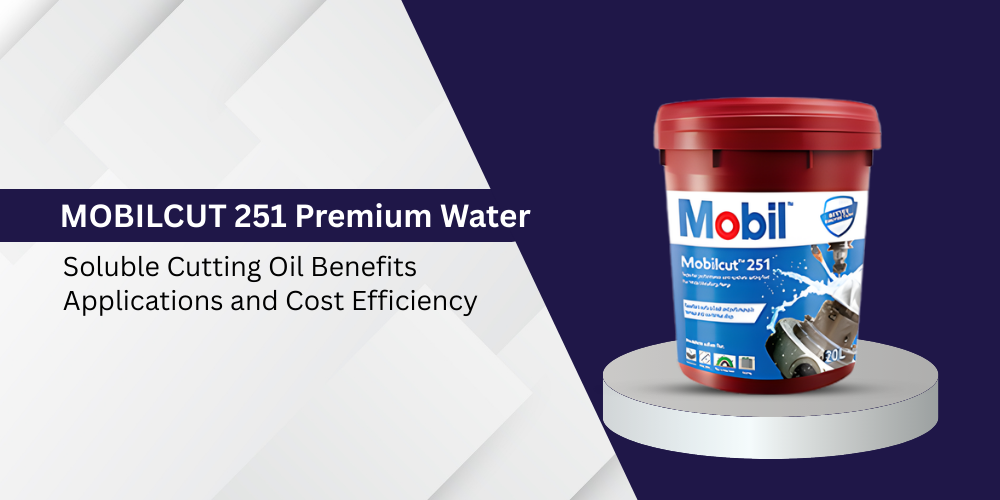
MOBILCUT 251 Premium Water Soluble Cutting Oil Benefits Applications and Cost Efficiency
Summary
Metal cutting performance is directly influenced by the coolant chemistry, lubrication behavior, and thermal control present at the cutting zone. Poor coolant selection leads to tool wear, unstable machining, surface defects, and rising operating costs. In contrast, a properly engineered water soluble cutting oil stabilizes machining conditions, protects tooling, and improves overall productivity.
MOBILCUT 251 Premium Water Soluble Cutting Oil is formulated for high-performance machining environments where cooling efficiency, lubrication film strength, and system cleanliness are critical. Supported by Sanjay Tools & Accessories Pvt. Ltd., this cutting fluid solution is widely used in automotive, fabrication, precision machining, and general manufacturing operations to achieve consistent machining quality with controlled operating cost.
This pillar guide explains how MOBILCUT 251 functions as an engineered machining solution covering technical benefits, application suitability, process efficiency, and long-term cost impact.
Table of Contents
- Why Cutting Fluid Selection Impacts Machining Performance
- Understanding Water Soluble Cutting Oil Technology
- Technical Overview of MOBILCUT 251
- Machining Benefits in Real Production Conditions
- Application Areas Where MOBILCUT 251 Performs Best
- Coolant Stability and Machine Health Advantages
- Productivity and Tool Life Improvements
- Cost Efficiency and Total Operating Value
- Best Practices for Mixing and Maintenance
- Why Source MOBILCUT Solutions Through Sanjay Tools
1. Why Cutting Fluid Selection Impacts Machining Performance
During machining, heat and friction are generated at the cutting interface. Without proper coolant:
- Tool edges degrade rapidly
- Thermal distortion affects dimensional accuracy
- Chips adhere to cutting surfaces
- Surface finish becomes inconsistent
A high-quality cutting fluid must perform three core functions:
- Heat dissipation
- Lubrication film formation
- Chip evacuation
When coolant chemistry is optimized, machining stability improves across shifts and production batches.
2. Understanding Water Soluble Cutting Oil Technology
Water soluble cutting oils form a stable emulsion when mixed with water. This emulsion provides:
- Superior cooling capacity
- Boundary lubrication
- Corrosion protection
- Clean machining environment
Unlike straight oils, soluble fluids balance thermal control and lubrication, making them ideal for multi-material machining environments.
Key engineering characteristics include:
- Emulsion stability under varying hardness levels
- Resistance to microbial growth
- Foam control during high-pressure delivery
3. Technical Overview of MOBILCUT 251
MOBILCUT 251 is engineered to deliver stable emulsion performance in demanding machining applications.
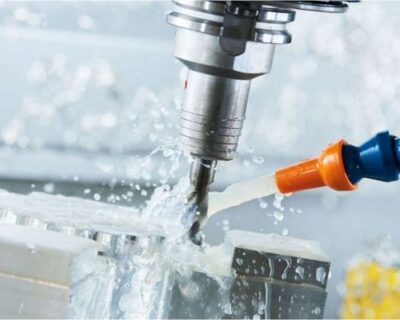
Core Technical Characteristics
- High cooling efficiency for thermal control
- Lubrication additives for tool protection
- Excellent emulsion stability
- Low foaming behavior
- Clean-running formulation
These properties ensure machining consistency even in high-speed CNC operations.
4. Machining Benefits in Real Production Conditions
When MOBILCUT 251 is applied correctly, manufacturers experience:
- Reduced tool flank wear
- Improved chip evacuation
- Stable cutting temperature
- Enhanced surface finish
These improvements translate into predictable machining cycles and fewer production interruptions.
5. Application Areas Where MOBILCUT 251 Performs Best
| Industry | Machining Operation | Primary Benefit |
| Automotive | CNC turning & milling | Tool protection |
| Fabrication | Drilling & tapping | Heat control |
| Precision machining | Surface finishing | Dimensional stability |
| General manufacturing | Multi-metal machining | Emulsion consistency |
The formulation supports machining of ferrous and non-ferrous alloys, making it suitable for mixed production environments.
6. Coolant Stability and Machine Health Advantages
Coolant breakdown leads to odor formation, bacterial growth, and corrosion risk. MOBILCUT 251 maintains:
- Long sump life
- Machine cleanliness
- Rust protection for components
- Reduced maintenance frequency
Stable coolant performance protects both machine systems and workpieces.
7. Productivity and Tool Life Improvements
Cutting tools represent a major operating cost. Effective lubrication:
- Reduces edge chipping
- Controls cutting heat
- Improves chip flow
The result is longer tool life, stable cutting parameters, and higher production throughput.
This consistency allows operators to maintain optimal cutting speeds without compromising part quality.
8. Cost Efficiency and Total Operating Value
Cost efficiency is measured by total machining performance, not fluid purchase price alone.
MOBILCUT 251 contributes to cost control by:
- Extending tool replacement intervals
- Reducing rework and scrap
- Lowering coolant disposal frequency
- Minimizing machine downtime
These savings compound over production cycles, making coolant selection a strategic operational decision.
9. Best Practices for Mixing and Maintenance
For optimal performance:
- Always add concentrate to water during mixing
- Maintain recommended dilution ratios
- Monitor emulsion concentration regularly
- Remove tramp oil contamination
- Maintain coolant cleanliness
Proper coolant management preserves performance consistency and system longevity.
10. Why Source MOBILCUT Solutions Through Sanjay Tools
Cutting fluids must be selected based on application, material type and machining intensity.
Sanjay Tools & Accessories Pvt. Ltd. supports manufacturers with:
- Application-based coolant recommendation
- Mixing guidance
- System performance evaluation
- Ongoing technical assistance
This ensures MOBILCUT 251 performs as an engineered machining solution, not just a consumable fluid.
Final Thought
Machining efficiency depends on thermal control, lubrication stability, and coolant management. MOBILCUT 251 Premium Water Soluble Cutting Oil provides the performance foundation required for consistent machining quality, extended tool life, and controlled production costs. When applied correctly, it becomes a core contributor to manufacturing reliability.